Men's haircuts
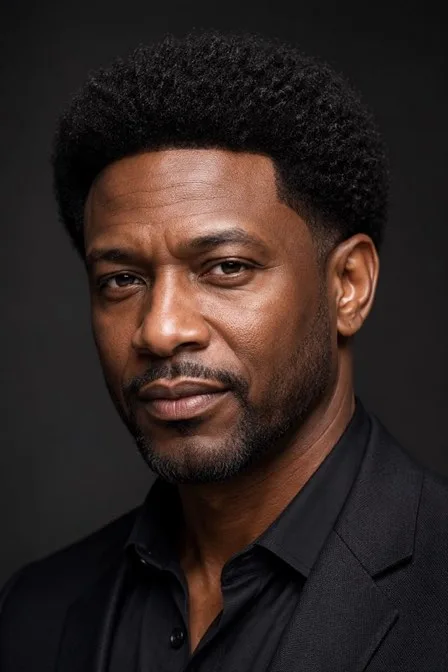
Afro Taper
Natural volume preserved through the top with clean tapering at the edges.
An afro taper keeps the main body of natural texture while gradually shortening the temples, sideburns, and neckline. It offers a defined outline without removing the fullness of a full afro. The top shape may be rounded, softly squared, or asymmetrical, and should be balanced in the hair's natural dry state.
| Length | Short edges, variable top |
|---|---|
| Texture | Coily or tightly curly hair |
| Face-shape starting points | Oval, Round, Square, Diamond |
| Maintenance | Medium. Edge taper every 2 to 5 weeks; top shaping less often. |
Who may want to try afro taper?
This style is a useful direction for people interested in keeping natural volume, clean edges, flexible top length. Face-shape labels are only a starting point; the strongest choice also accounts for density, growth pattern, natural texture, styling time, and how often you want to return for maintenance.
- Keeping natural volume
- Clean edges
- Flexible top length
What to ask for at the salon
Ask for a temple and neckline taper while preserving the main afro shape, then agree on a rounded, squared, or natural top outline.
Bring a front, side, and back reference when possible. Point to the exact perimeter, fringe position, top height, or side length you want to preserve. Ask the stylist to explain how the idea should be adapted to your real hair rather than copying the image without adjustment.
How to style it
- Shape only after the hair is fully expanded or in its usual finish.
- Use moisture and gentle picking from the ends toward the roots.
- Protect the shape overnight with a satin surface or suitable wrap.
What to consider before the cut
The visible outline changes with shrinkage and moisture. Evaluate the final shape in the condition you wear most often.
Previewing the silhouette can make the decision clearer, but it cannot predict exact shrinkage, chemical limits, cowlick behavior, or the finish produced by a specific salon technique.